
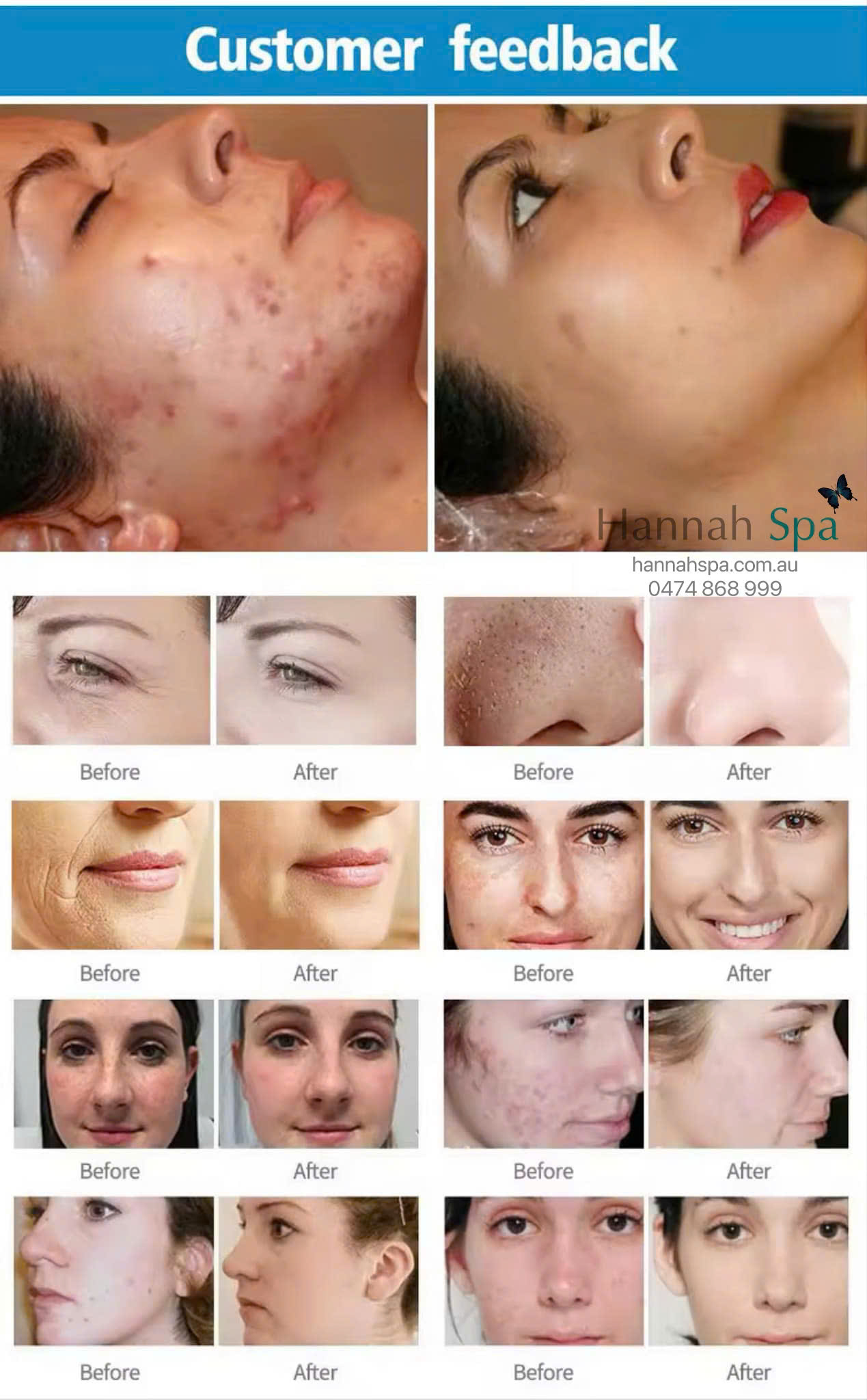
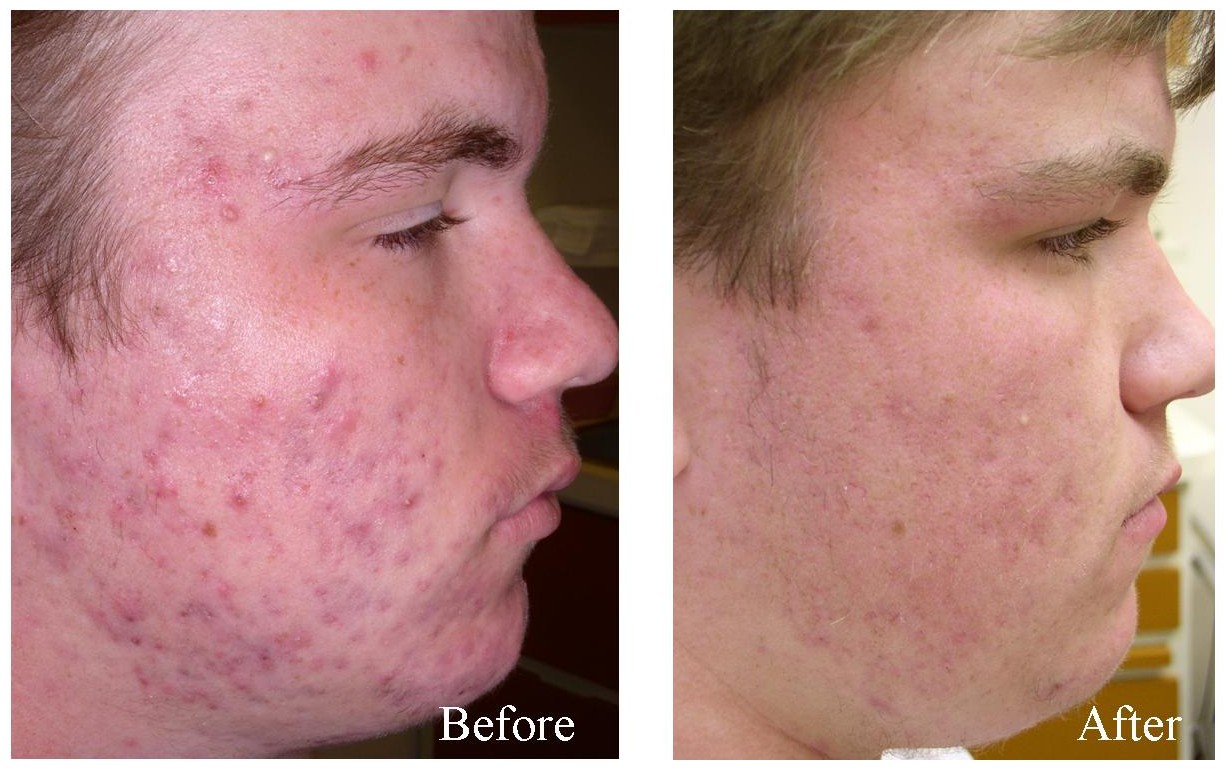




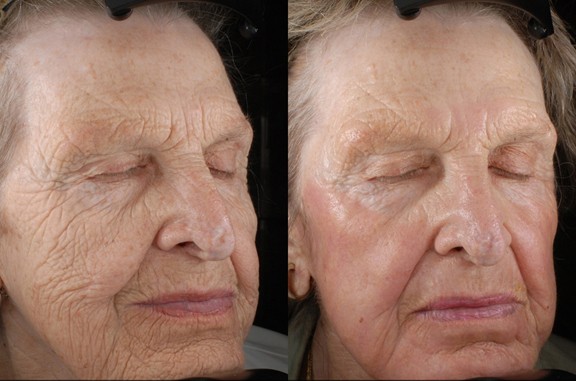

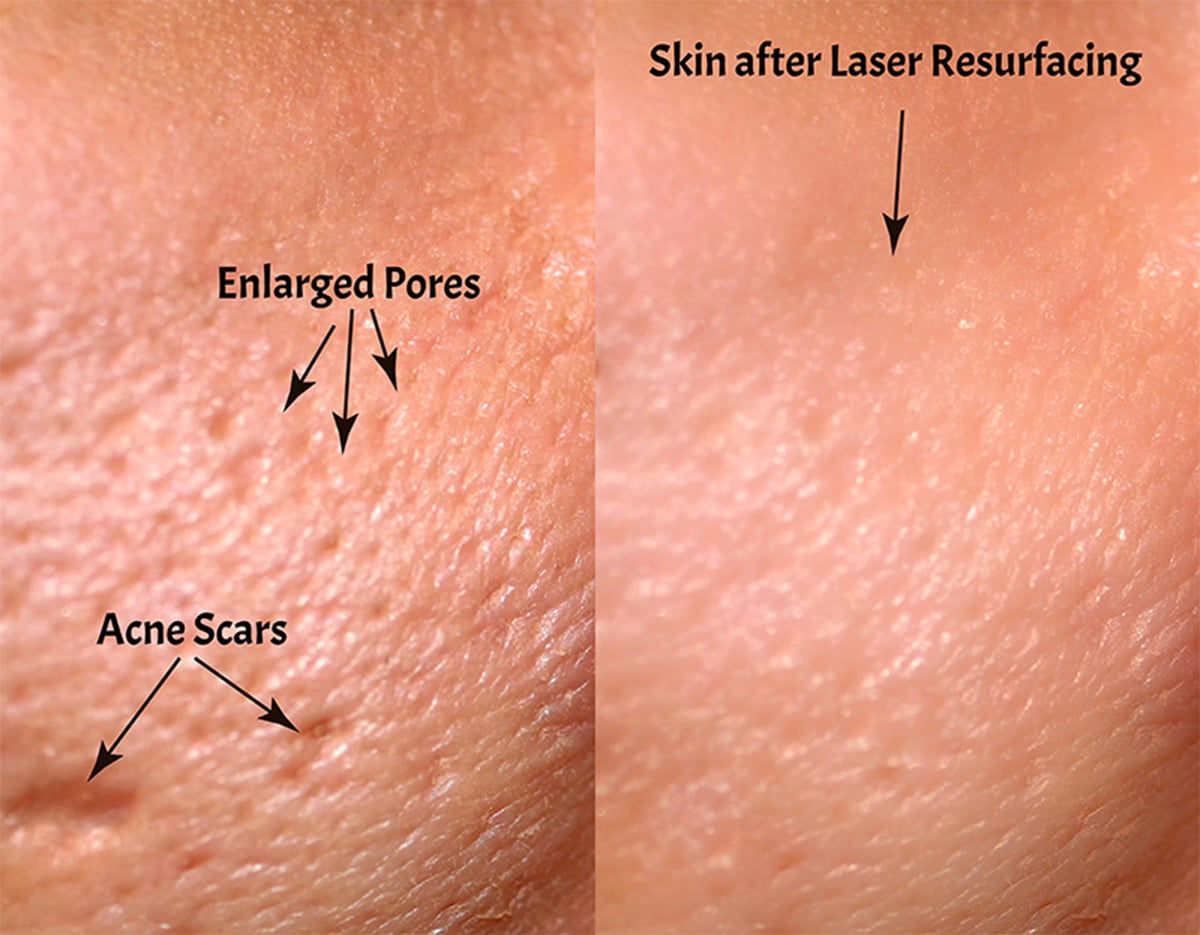
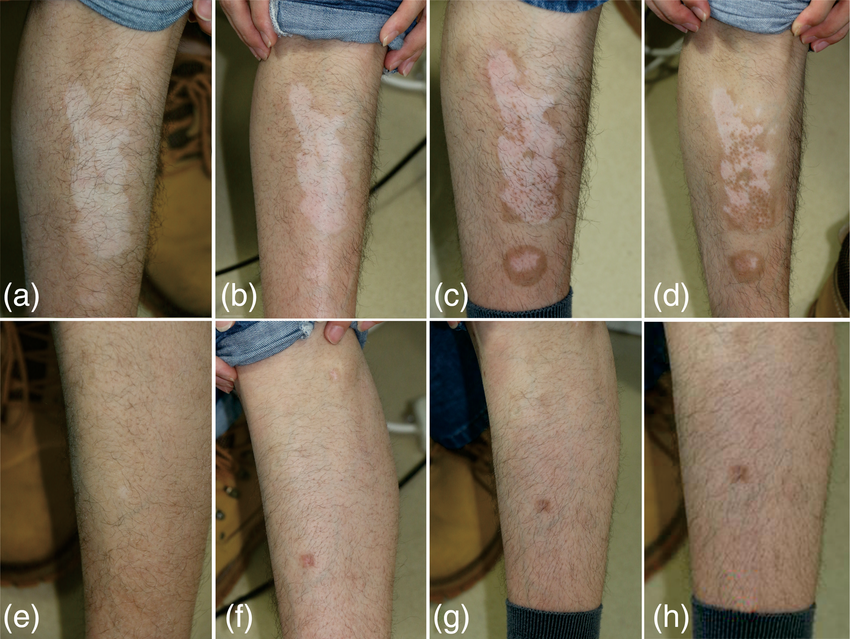


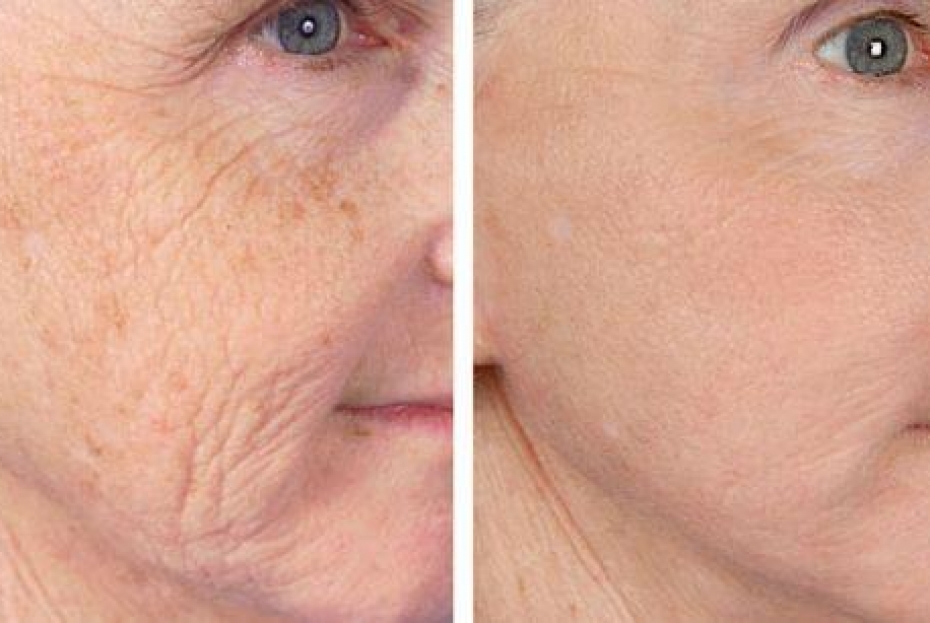


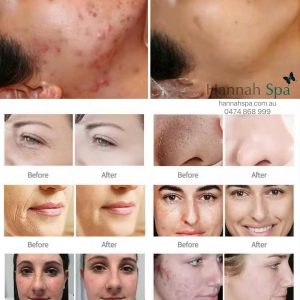

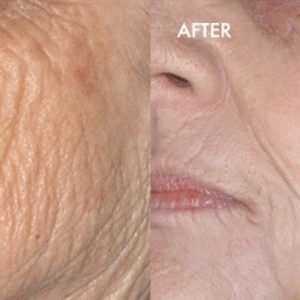


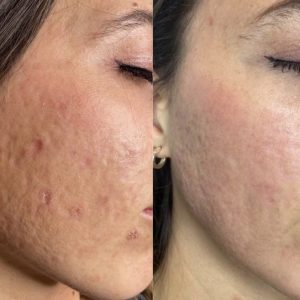


CO2 Fractional Laser for Wrinkles/Scars/Stretch marks Removal & Skin Resurfacing
$1,800 $690
NEW TREATMENT: CO2 Fractional Laser treatments for Face and Body
-Includes: Consultation, skin cleansing, applying numbing cream, Laser Fractional CO2 treatment, After care advices, After care product.
| CO2 Fractional Laser treatments | Duration | Price | |
| 1 | Under Eyes Wrinkles Removal/Resurfacing | 75 mins | $270 |
| 2 | Smile Lines Removal/Resurfacing | 75 mins | $300 |
| 3 | Lips Rejuvenation/Thick and Old tattoo ink Removal | 75 mins | $270 |
| 4 | Wrinkles Removal/Resurfacing (Full Face) | 90 mins | $690 |
| 5 | Acne Scars Removal (on a small area =30 cm2 or < 30 cm2) | 75 mins | $300 |
| 6 | Acne Scars Removal (Full Face) | 90 mins | $690 |
| 7 | Scars improvement (on a small area =30 cm2 or < 30 cm2) | 75 mins | $300 |
| 8 | Stretch Marks Removal (on a small area =30 cm2 or < 30 cm2) | 75 mins | $300 |
| 9 | Stretch Marks Removal (on a big area) | 90 mins | $690 |
| 10 | Pigmented Lesion/Wart/Skin tag Removal (1 each) | 45 mins | $60 |
| 11 | CO2 Fractional Laser (on a small area =30 cm2 or < 30 cm2) | 75 mins | $300 |
| 12 | CO2 Fractional Laser (Full Face) | 90 mins | $690 |
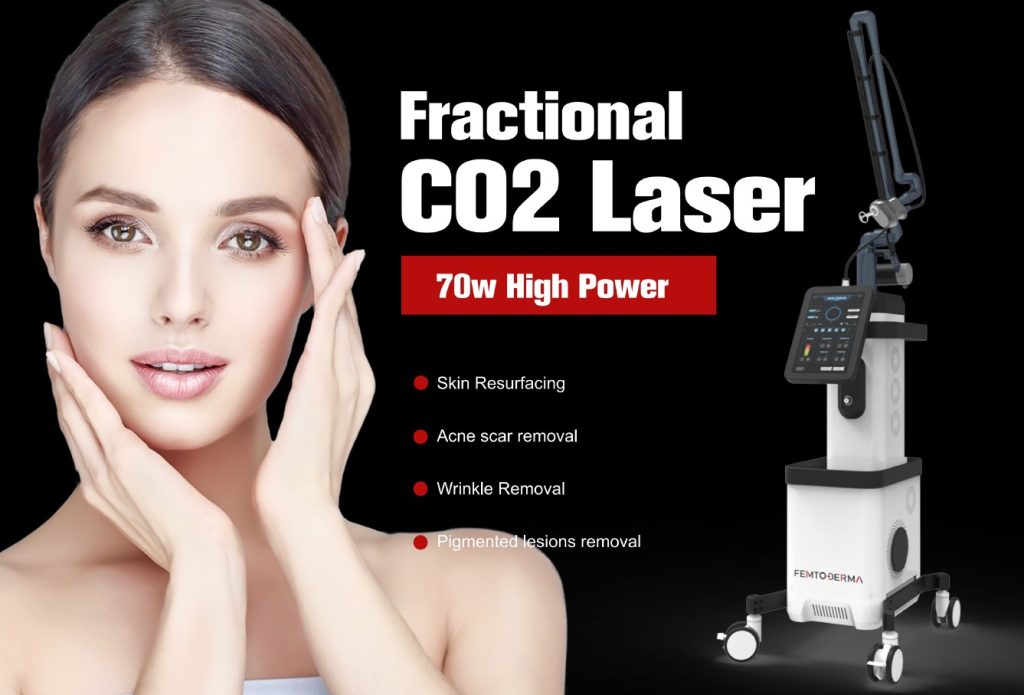
What is CO2 Fractional Laser?
CO2 Fractional Laser is an advanced skin resurfacing treatment that utilizes fractional carbon dioxide laser technology to rejuvenate and enhance the skin’s appearance. It is a non-invasive procedure designed to address various skin concerns by targeting specific areas while leaving surrounding tissue intact, promoting faster healing compared to traditional CO2 lasers.
How Does It Work?
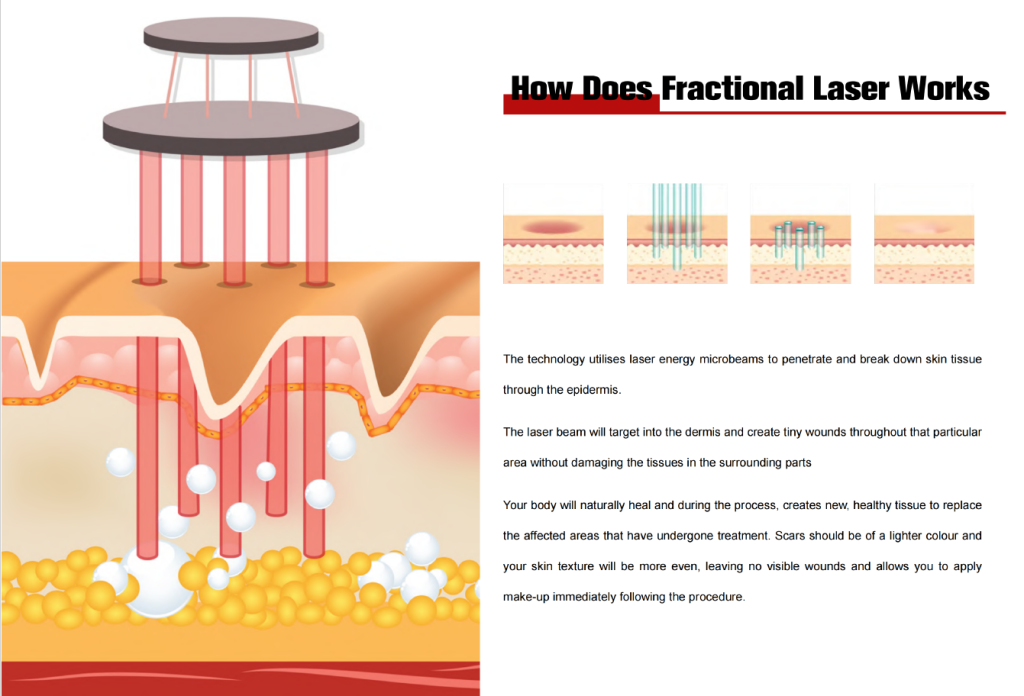
The treatment works by delivering precise laser energy in the form of thousands of microscopic beams, creating tiny channels or holes in the skin. This fractional approach affects only a portion of the skin at a time, stimulating the body’s natural healing process. As the skin repairs itself, it produces new collagen and elastin, which are essential proteins for maintaining skin firmness and elasticity. The result is a smoother, healthier complexion with improved texture and tone.

How Does It Affect the Skin?
CO2 Fractional Laser has a transformative effect on the skin, offering noticeable improvements in several areas:
- Reduces Fine Lines and Wrinkles: It smooths out signs of aging by encouraging collagen renewal.
- Improves Acne Scars: The treatment minimizes the appearance of scars by resurfacing damaged skin.
- Evens Skin Tone: It helps fade sun damage, age spots, and hyperpigmentation.
- Enhances Texture and Firmness: The production of new collagen leads to tighter, more youthful skin.
These effects can be tailored to different skin depths, depending on the specific concerns being addressed.

What Are Its Benefits?
The treatment offers several advantages, making it a popular choice for skin rejuvenation:
- Effective for Multiple Concerns: Addresses wrinkles, scars, uneven tone, and texture in one procedure.
- Shorter Recovery Time: Compared to traditional CO2 lasers, the fractional method allows for quicker healing and less downtime.
- Stimulates Long-Lasting Results: Collagen production continues post-treatment, enhancing skin quality over time.
- Customizable: Can be adjusted to treat varying skin depths and concerns.
- Suitable for Most Skin Types: Works well across a range of skin tones and conditions with proper consultation.
Who Are Ideal Clients for CO2 Fractional Laser?
CO2 Fractional Laser is best suited for individuals looking to improve their skin’s appearance and address specific issues, such as:
- People with Signs of Aging: Those with wrinkles, fine lines, or sagging skin.
- Individuals with Acne Scars: Anyone seeking to reduce the visibility of scarring.
- Those Wanting Overall Skin Improvement: People aiming to enhance texture, tone, and firmness, including those with sun damage or age spots.
While it’s adaptable to most skin types, a professional consultation is recommended to confirm suitability.
Contraindications to CO2 Fractional Laser?
Certain conditions or circumstances may make this treatment unsuitable or risky:
- Active Skin Infections: Such as herpes outbreaks or bacterial infections in the treatment area.
- Certain Skin Disorders: Conditions like eczema or psoriasis may worsen with laser exposure.
- Pregnancy: The procedure is generally not advised for pregnant individuals due to safety concerns.
- Darker Skin Tones: Those with higher melanin levels may face a greater risk of pigmentation changes, requiring extra caution.
- Recent Medications or Treatments: Use of isotretinoin (e.g., Accutane) or other sensitizing treatments may necessitate a delay—consultation is key.
After a CO2 Fractional Laser treatment, proper aftercare is essential to ensure optimal healing, prevent complications, and achieve the best results. Below is a step-by-step guide to help you care for your skin post-treatment:
Immediate Post-Treatment Care (First 24-48 Hours)
- Keep the Skin Clean: Gently wash the treated area with a mild, fragrance-free cleanser to avoid infection. Avoid hot water, as it can irritate the skin.
- Moisturize Regularly: Apply a thick, fragrance-free moisturizer or a healing ointment (as recommended by your provider) to keep the skin hydrated and promote recovery.
- Avoid Touching or Picking: Refrain from touching, scratching, or picking at the treated area to prevent scarring or infection.
- Manage Discomfort: Use over-the-counter pain relievers like ibuprofen or acetaminophen if needed. Cold compresses can also help reduce swelling or redness.
Ongoing Care (Days 3-7)
- Continue Moisturizing: Keep applying moisturizer as the skin starts to peel or flake, which is normal during healing.
- Avoid Harsh Products: Do not use exfoliants, retinoids, or products with alcohol, acids, or fragrances until your provider approves.
- Protect from Sun Exposure: Avoid direct sunlight and apply a broad-spectrum sunscreen (SPF 30 or higher) daily, even indoors, to shield the sensitive skin from UV damage.
Long-Term Care (Weeks 1-4)
- Monitor Healing: Check for signs of infection, such as increased redness, swelling, or pus. Contact your provider immediately if you notice these.
- Follow-Up Appointments: Attend all scheduled visits to ensure proper healing and address any concerns.
- Gradual Return to Routine: Reintroduce your regular skincare products slowly, only after your provider confirms your skin has fully healed.
General Tips
- Stay Hydrated: Drink plenty of water to support your skin’s natural recovery process.
- Avoid Heat and Sweat: Skip hot showers, saunas, or intense exercise for at least a week to prevent irritation.
- Be Patient: Full results may take weeks to show as collagen rebuilds, so give your skin time to recover.
Frequently asked questions about CO2 Fractional Laser:
1. How much are the prices in Australia for CO2 Fractional Laser in general?
CO2 Fractional Laser is a powerful treatment for radiant skin, with costs in Australia generally between $2,000 and $2,600 for a full face session and as low as $229–$690 for a smaller area.
2. How Many Sessions Are Needed?
The number of sessions varies by goal and clinic recommendation:
- For general skin rejuvenation, 1 session may suffice.
- For deeper issues like acne scars, 3–5 sessions spaced 6–8 weeks apart are often recommended.
This affects the total cost, so discuss your needs with a provider during consultation.
3. What Should I Expect During and After the Procedure?
- Duration: Sessions typically last 60-75 minutes, depending on the area.
- Procedure: The skin is numbed (some clinics offer complimentary numbing cream), and the laser is applied to create controlled micro-injuries.
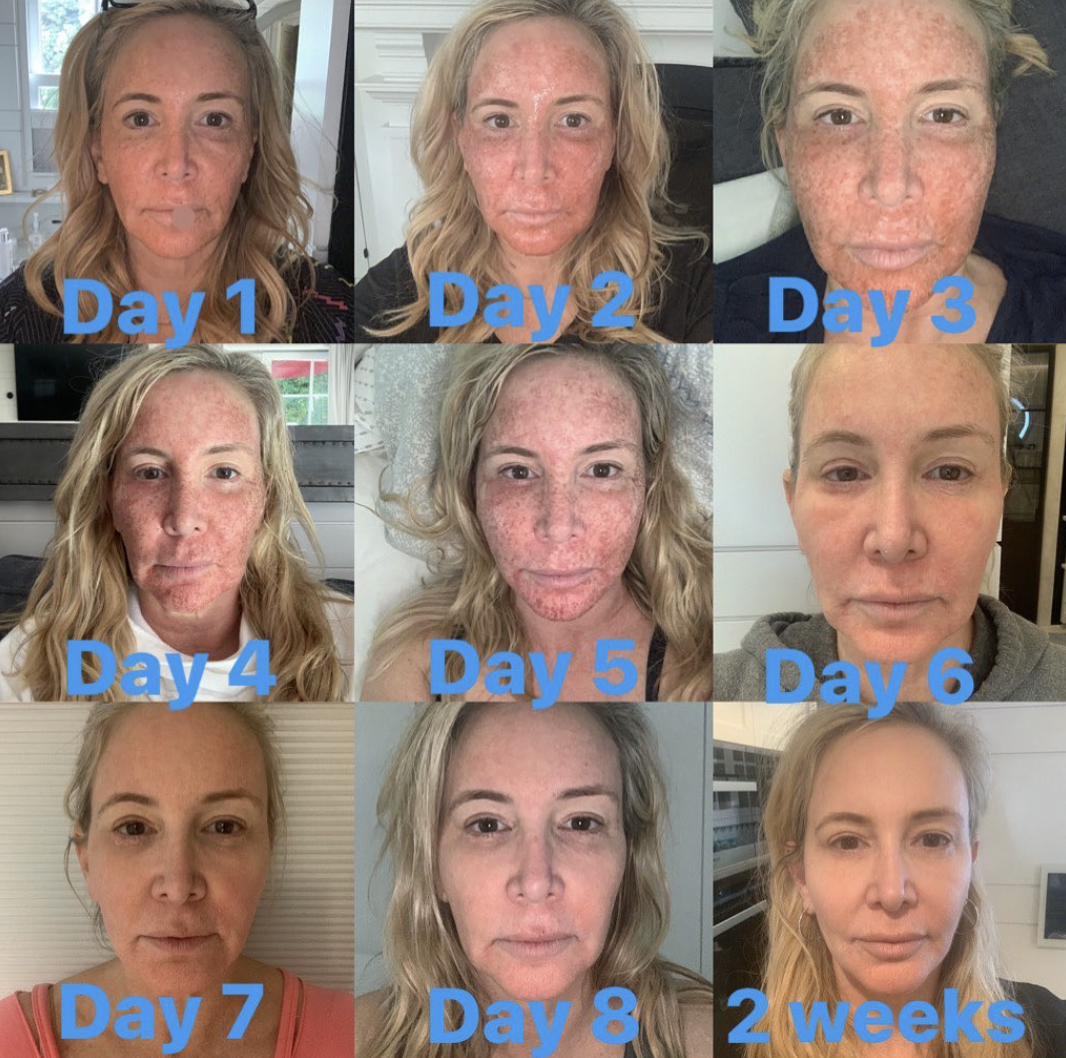
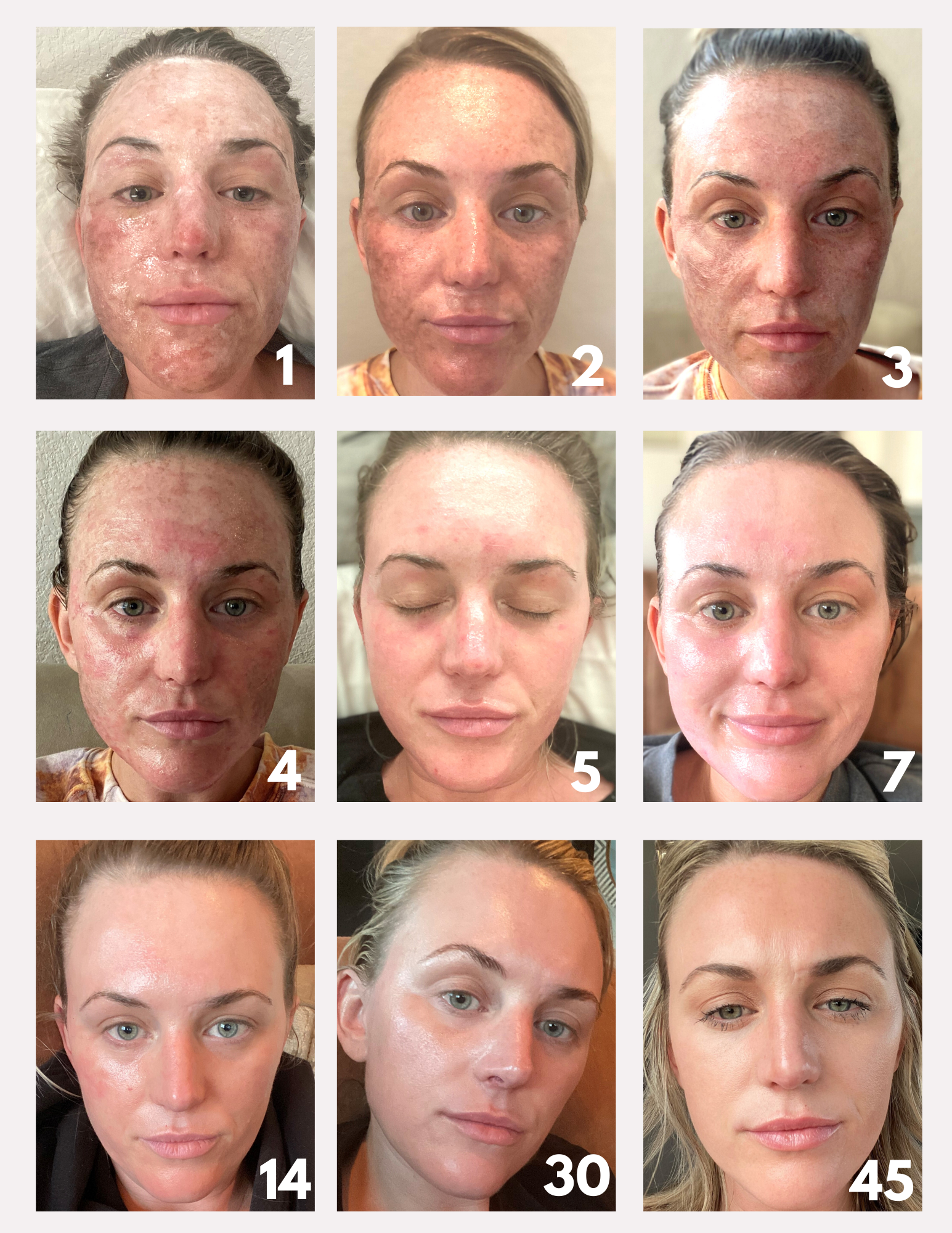
- Downtime: Expect 5–7 days of recovery, with redness and peeling common. Aftercare products can aid healing.
Results, like smoother skin or reduced scarring, gradually appear as collagen rebuilds over weeks.
4. Side effects of CO2 Fractional Laser treatment?
CO2 Fractional Laser treatment is a popular procedure for skin resurfacing and rejuvenation, but it can lead to a range of side effects. These vary from common, mild reactions to rare but serious complications. Below is a detailed overview of the potential side effects, categorized by their likelihood and severity.
Common Side Effects:
These are the most frequently reported side effects, typically mild and temporary:
- Redness and Swelling: The treated area often becomes red and swollen right after the procedure, resembling a sunburn. This usually resolves within a few days to a week.
- Peeling and Flaking: As the skin heals, it may peel or flake, which is a normal part of recovery and can last several days.
- Discomfort or Pain: Mild to moderate discomfort may occur during or after the treatment. This can often be managed with over-the-counter pain relievers or prescribed medications.
- Itching: Itching is common as the skin heals, but scratching should be avoided to prevent complications.
Less Common Side Effects
These side effects occur less often but are still possible:
- Hyperpigmentation: The treated area may darken, particularly in people with darker skin tones. This is usually temporary but can occasionally be permanent.
- Hypopigmentation: The skin might lighten in the treated area, with effects that may be temporary or permanent.
- Acne or Milia: Some patients develop small white bumps (milia) or acne-like eruptions after the procedure.
- Infection: Though rare, bacterial or viral infections (such as herpes simplex) can occur, especially if aftercare instructions are not followed.
Very Rare but Serious Side Effects
These complications are uncommon but require immediate medical attention:
- Scarring: Scarring can occur in rare cases, particularly if the skin isn’t properly cared for during healing.
- Prolonged Redness: Redness lasting weeks or months beyond the typical recovery period.
- Burns: There’s a slight risk of burns if the laser settings aren’t correctly adjusted, though this is rare with proper technique.
Factors That Influence Side Effects
Several factors can affect the likelihood and severity of these side effects:
- Skin Type: Darker skin tones are more prone to pigmentation changes.
- Treatment Intensity: More aggressive treatments increase the risk of side effects.
- Aftercare: Proper care, such as avoiding sun exposure and following your provider’s instructions, is essential to minimize risks.
Reducing the Risks
To help prevent or manage side effects:
- Follow all pre- and post-treatment care instructions carefully.
- Monitor the treated area and contact your provider if you notice unusual symptoms.
Final Note
CO2 Fractional Laser treatment is generally safe when done by a skilled provider, and most side effects are mild and short-lived. However, being aware of the potential risks and committing to proper aftercare can lead to a smoother recovery and better results.

Reviews
There are no reviews yet.
Related products
Facial care
Facial care
Facial care
Facial care

Facial care

Facial care
Be the first to review “CO2 Fractional Laser for Wrinkles/Scars/Stretch marks Removal & Skin Resurfacing”